1. In-person events are on the rise
We’ve seen a number of shows return post Covid, with both the delegate and exhibitor numbers expected to rise in 2023. Whilst exhibiting at events such as Advanced Engineering or more specific sector events in plastics, metal, packaging, and health and safety come with a substantial total cost, the ability to interact face-to-face with customers and prospects has been an alluring one for many businesses. Exhibitions in the metals, plastics, and engineering sectors that the Velo team attended in 2022 all saw a very positive return. This is only going to grow into 2023 as comfort levels and an appetite for taking time out to travel and attend events increases. A key driver is innovation. Businesses that have something new to share are always going to be attractive to buyers, who are looking for new innovative products and services to improve their businesses. There was a decline in innovation during the pandemic as companies sought to reduce operating costs at a time when the market for new products was at its lowest. But, bringing new things to the market and using events as a strategic tool to launch, is a powerful tool that is now available once again. The key thing is to create a must-attend experience, rather than a product-filled commodity stand that looks like everyone else.If you want to talk with our event specialists about how to make the most of upcoming events in 2023, click here.
2. B2B says hi to hybrid
Individual customer relationships are incredibly valuable for B2B companies. A client relationship could be worth millions of pounds for larger enterprises. So, B2Bs need to understand how to guide customer journeys better using the latest technologies. According to McKinsey, B2B decision makers are using more channels than ever before to interact with suppliers. With hybrid selling set to be ‘the most dominant sales strategy by 2024 due to shifts in customer preferences and remote-first engagement’, 2023 is the year for those in the manufacturing industry to get their omnichannel mix right. Marketing promotion and communication need to consider customer preference and offer information and insight in different formats. If you want to be more relevant, it’s always best to ask.Want to survey your target audience to find out what makes them tick and how they use marketing information to make decisions? Get in touch.
3. Apply agile thinking
If we’ve learnt anything from the last 3 years, it’s to become comfortable with being uncomfortable. The 16th Annual State of Agile Report revealed that the use of agile thinking and methodologies have been used to meet a number of business objectives. 52% of companies have adopted agile methodologies to accelerate time to market, 44% for delivery predictions, and 31% to lower risk. Agile thinking is often associated with technology adoption, but it can be run right across a business to change workplace behaviours, how projects are managed, and delivered and how change is ultimately brought about. It’s harder in manufacturing and industrial businesses as company cultures and structures don’t permit quicker adoption of new workflows or ways of working. Manufacturers that were able to think in an agile way in lockdown – such as industrial coatings pivoting from paint to hand sanitizer when a downturn in business came – is just one example of creative thinking. But it needs an operational environment to facilitate implementation. Rather than looking top down at huge systemic change, look at processes or projects in the business where agile thinking could be applied. See where it makes sense to work across teams and introduce sprints to move things forward quicker, under a senior level advocate who can direct resources.Want to introduce agile thinking into your marketing team? Learn more about our marketing approach here.
4. Go where your customer is
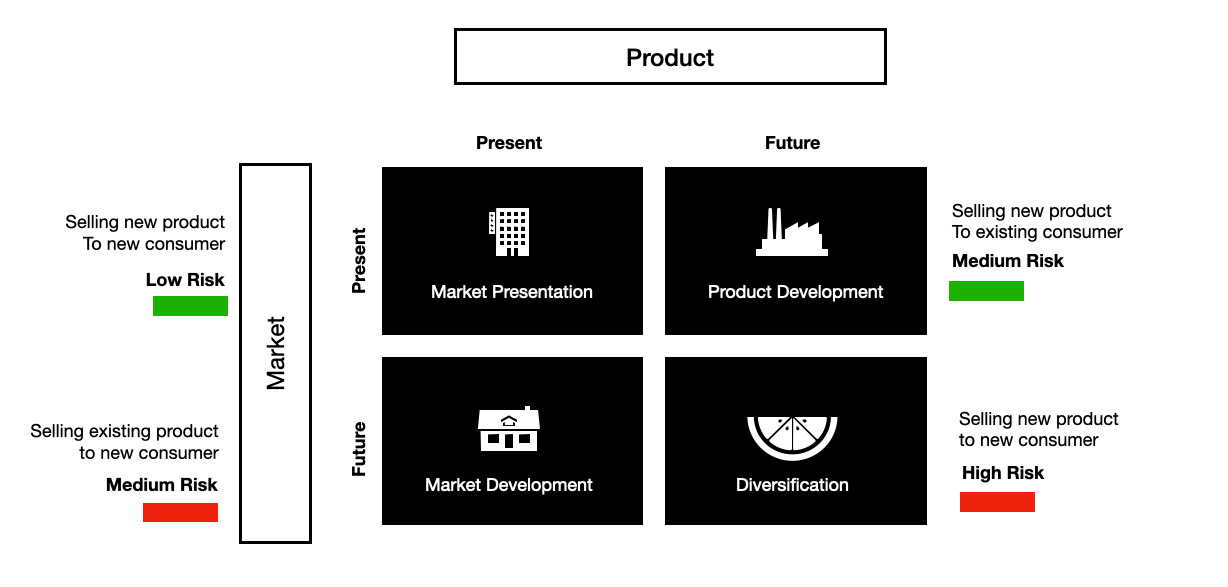
Most manufacturers and industrial businesses, when they do invest in marketing, build their own assets – websites, content, social etc – and seek to attract target customers. This is no doubt critical as it ensures that you’re not solely building a business on the rented land of other technology platforms. But, it is exponentially harder getting customers to leave where they are without a compelling reason. We know doubling down on sector specific magazines, journals, and events delivers a payback, but what about where your target buyers shop? More and more SME manufacturers are building secondary storefronts in places like eBay, Amazon, and sector-specific customer portals and directories. It increases their visibility and potentially returns additional sales that might not have otherwise been achieved. It also allows manufacturers to offer different products and services – perhaps lower entry products – at price points that are attractive – that don’t conflict with flagship product and pricing strategies. We’ve seen businesses from automotive parts providers, laboratory equipment, and small valve manufacturers having success in these areas. What if, like Google, you ring-fenced 10% of your resource for special “blue sky” projects like this and explored opportunities to open up new markets or product concepts? Using a classic Ansoff Matrix to evaluate opportunities in product and market will help you to prioritise where you might focus.