 –
We attended the latest BrightonSEO event so you didn’t have to, and not only are we breaking down one of the topics that stood out as a key development to watch, but we’ve also done some extra homework on what B2B marketers targeting a niche actually need to know about it.
Unsurprisingly, AI dominated the conversation. What was particularly new and interesting for us, though, were the sessions covering Google’s Search Generative Experience (SGE). As Google announced its rollout for all users across the US earlier this week (May 14, 2024), with other regions set to follow, it’s clear that SGE will significantly shape our search interactions in the near future.
After testing for more than a year in 120 countries, it has also got the highest satisfactory scores in a poll by GenZ (18-24 year olds). This might well indicate where the search experience is heading into the future.
If this is the future, what do we need to know about it right now? Below, we reflect on what SGE is and explore how it impacts our B2B clients targeting a niche audience.
–
We attended the latest BrightonSEO event so you didn’t have to, and not only are we breaking down one of the topics that stood out as a key development to watch, but we’ve also done some extra homework on what B2B marketers targeting a niche actually need to know about it.
Unsurprisingly, AI dominated the conversation. What was particularly new and interesting for us, though, were the sessions covering Google’s Search Generative Experience (SGE). As Google announced its rollout for all users across the US earlier this week (May 14, 2024), with other regions set to follow, it’s clear that SGE will significantly shape our search interactions in the near future.
After testing for more than a year in 120 countries, it has also got the highest satisfactory scores in a poll by GenZ (18-24 year olds). This might well indicate where the search experience is heading into the future.
If this is the future, what do we need to know about it right now? Below, we reflect on what SGE is and explore how it impacts our B2B clients targeting a niche audience.
What exactly is SGE?
Google’s Search Generative Experience uses AI to craft contextual answers for complex queries, enhancing how we find information online. Think of it as an advanced version of the featured snippets you see at the top of your search results, but more intuitive.How would this impact SEO?
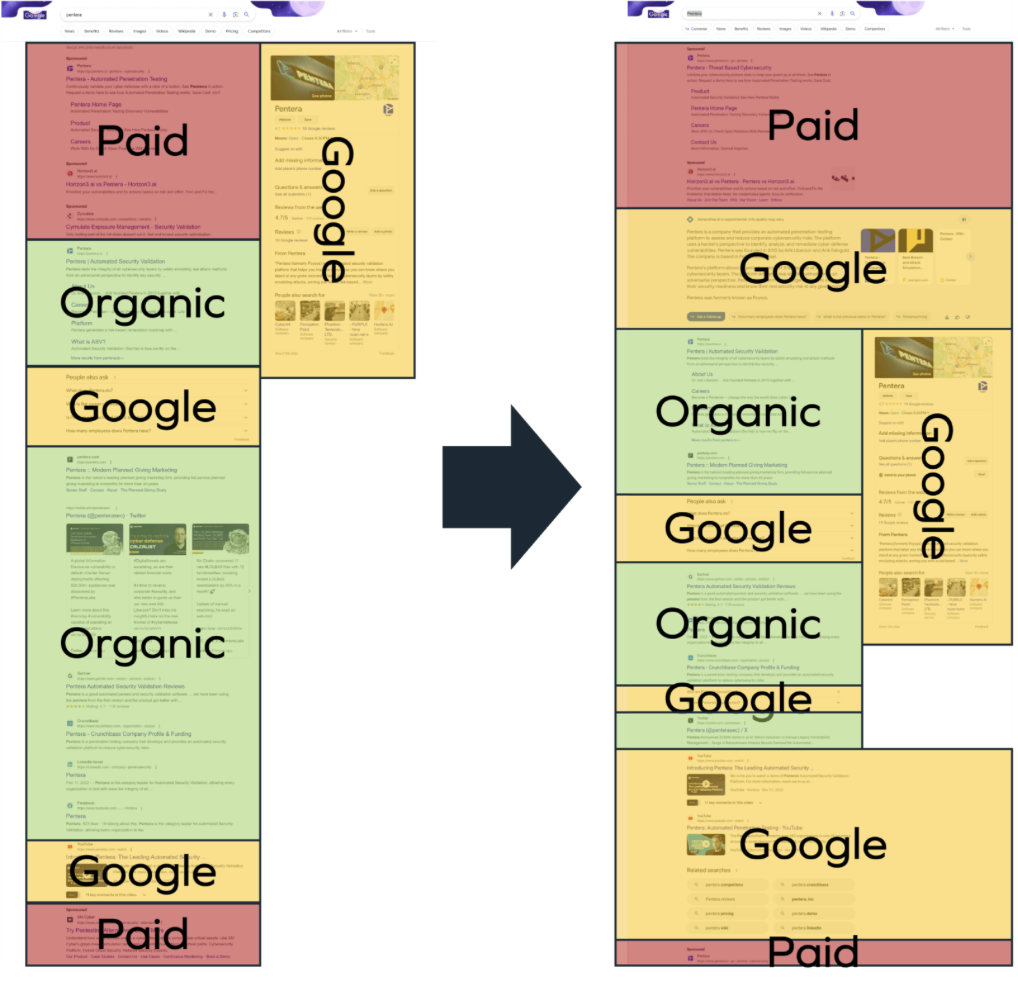
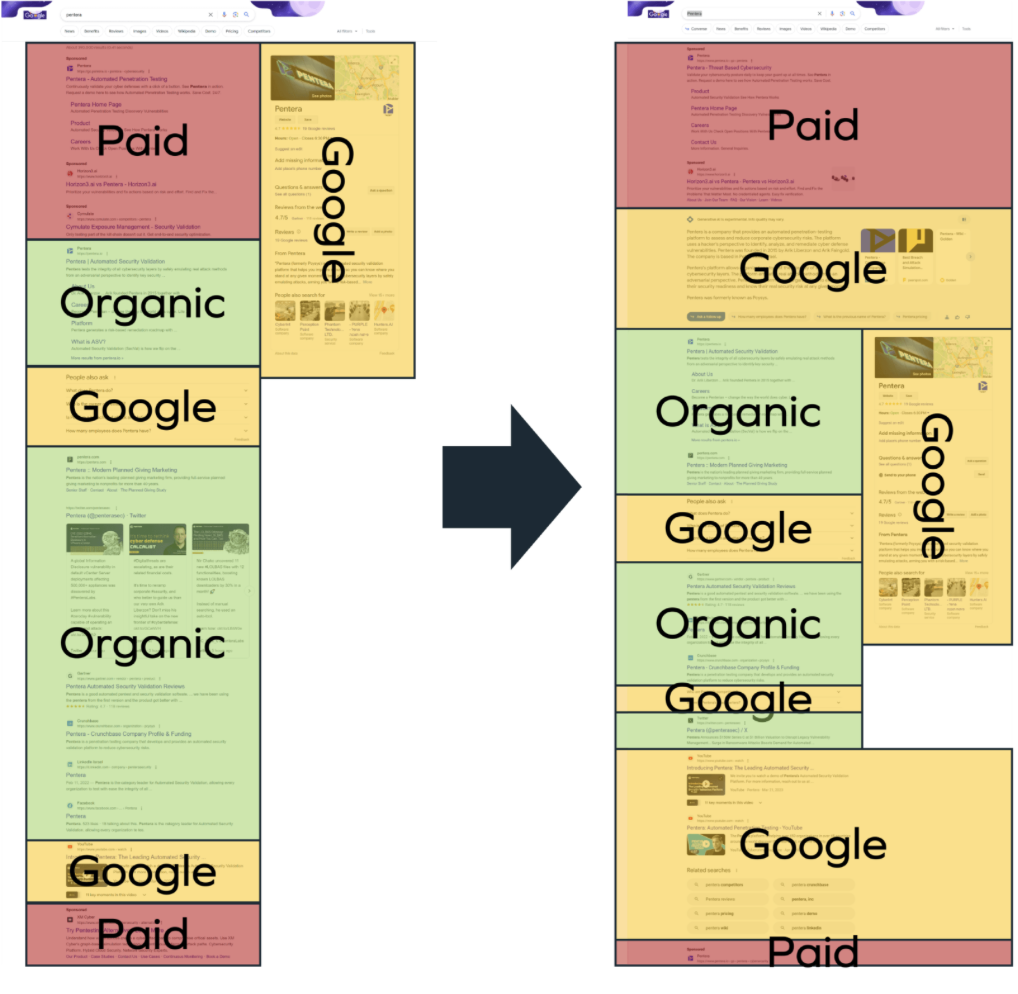
Increase in ‘zero click’ searches There are always queries for which you don’t need to visit a website. For simple searches, you can get their answers directly from the search page— like weather updates, quick facts, or even recipes and DIY tips—without having to click through to a website. This shift could lead to less traffic for some sites, as the search results themselves become the final destination. Even on the search result page, the ‘real estate’ for your website’s organic search result has shrunk considerably – as evident by the following image. Of course, this is not set in stone for now as Google continues to test different variations until we get a unified view of what search results could look like going forward. But various studies suggest space for organic result is going to be drastically reduced.