

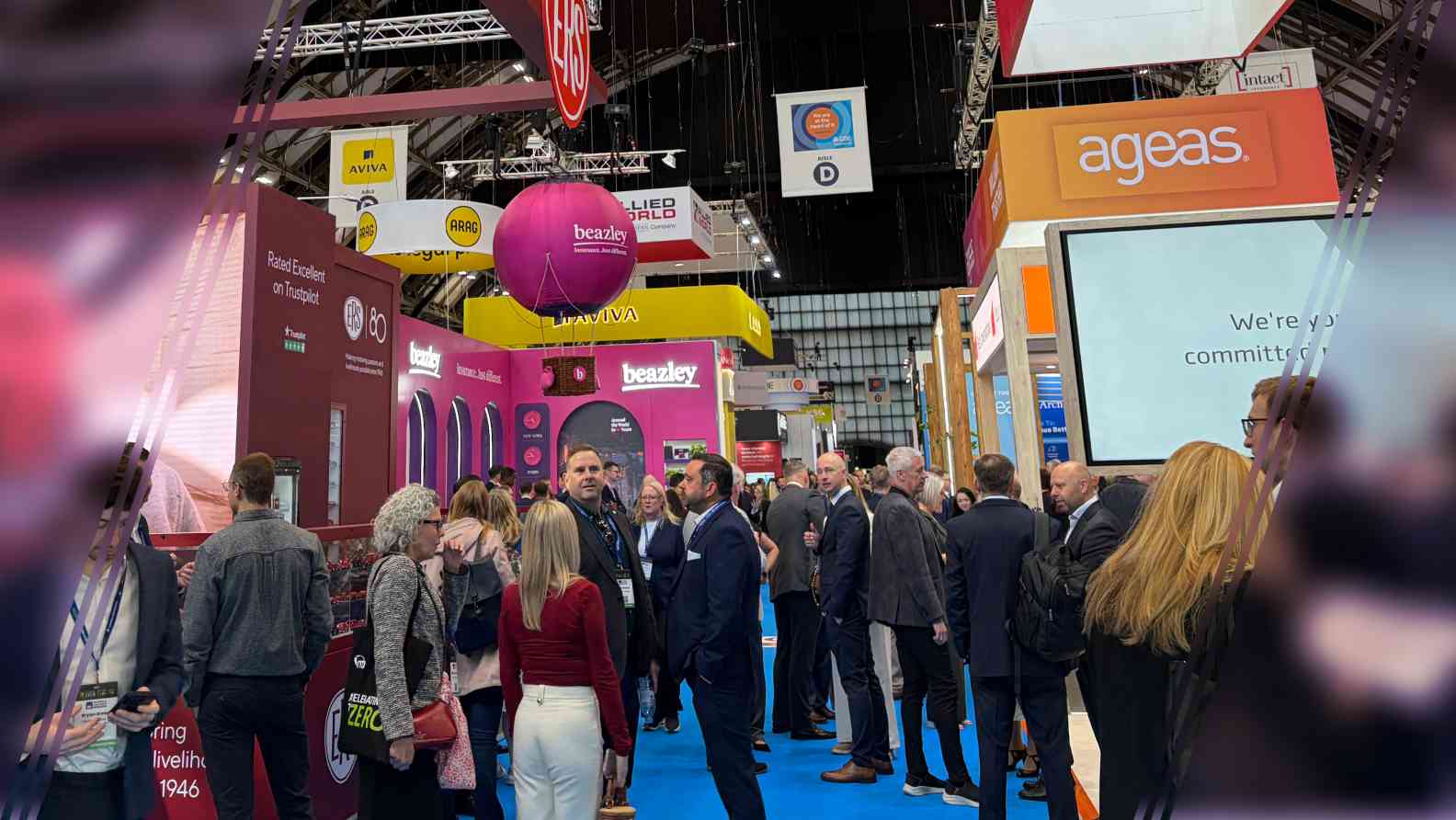
Exhibitions are expensive. There is a stand to design and build. The travel to organise. The logistics to manage. The time out of the office. The follow-up that needs to happen afterwards. It is understandable that, once the event is over, the first question is usually commercial – how many leads did we get?
The badge scanner has been out. The spreadsheet was downloaded. The entire show success is compressed to be the number of names captured, the number of conversations logged, and, eventually, the number of opportunities that can be traced back to the show.
On the surface, that seems sensible. B2B exhibitions are a significant investment, so they should be accountable. The motive is right, the method, sadly, wrong. The real value is rarely captured by a badge scan.
The lead count tells a smaller story than you think
The problem is not that lead generation does not matter. It does. The problem is treating exhibitions as if they are only a lead generation channel. That view is too narrow for most B2B markets, especially those with long sales cycles, complex buying committees and high levels of perceived risk.
In these categories, buyers do not simply walk into a hall, scan a few stands and make a decision. They take time to understand who is active in their space. They notice who shows up. They remember who understands their world. They talk to peers. They compare suppliers. They look for signs of credibility, stability and trust.
Yet, after the exhibition, many businesses still judge success by the small group of people who were ready to buy right now. In most B2B markets, only a small proportion of your audience is actively in-market at any given moment. For the rest, the exhibition is not a buying trigger. It is a memory, a signal, a relationship, a proof point.
An event is an opportunity to speak to the entire community
That should change the way you see an event – a stand is not just a place to capture contact details. It is a place where relationships are built in person.
No amount of LinkedIn engagement, email nurturing or webinar attendance can fully replicate what happens when two people talk, laugh and share experiences across a table in a proper conversation. Exhibitions compress months of digital relationship-building into a single day. The unscripted, human conversations that happen on a stand are often the ones people remember. They become the foundation for partnerships, referrals and long-term accounts.
An event is a launchpad
Getting a new product to market is difficult. Getting it in front of the right people, with energy and momentum behind it, is harder. A major exhibition creates a deadline that focuses internal teams and accelerates product, marketing and sales activity. Then it brings together the buyers, partners, influencers and press who can help the launch land.
For existing opportunities, exhibitions compress the pipeline
Senior buyers who are difficult to reach during the normal working week are suddenly in the same place, with time set aside to talk. A well-planned two-day exhibition can stack qualified meetings into a short window and create progress that might otherwise take a full quarter of outbound effort.
That commercial value is real, even if it does not appear neatly in the lead report.
Plan for influence, not just footfall
To get more value from exhibitions, businesses need to plan and measure them differently. That means looking beyond the badge scanner and designing the event around the full buying journey.
For top-of-funnel audiences, the goal may be visibility, memorability and market presence. Are you showing up in a way that makes people more likely to remember you when the need arises?
For mid-funnel audiences, the goal may be confidence. Many of the people who visit your stand are not discovering you for the first time. They may already have read your content, visited your website, watched a webinar or heard about you from a peer. The exhibition gives them a moment to move from passive interest to active consideration. A conversation, a demonstration or a handshake can make the difference.
For existing opportunities, the goal may be acceleration. Who do you need to meet? Which accounts should be invited in advance? Which partners, customers or senior stakeholders need time booked before the event begins?
And for the wider market, the goal may be trust.
Presence matters. Being at the right exhibition, in the right way, signals that you are serious about the market. It shows that you are investing in the community and that you are here for the long term.
In high-stakes B2B categories, buyers do not just buy products or services. They buy confidence. Showing up consistently is part of how that confidence is built.
A better post-show report asks better questions
When you measure exhibitions this way, the picture changes.
The post-show report becomes less about a pile of scanned badges and more about the progress created across the market.
- Did as many as possible see that we were there? Did we strengthen relationships with people who may buy from us in 12 or 24 months?
- Did we deepen partnerships that could lead to referrals?
- Did we move existing opportunities forward?
- Did we get the opportunity to speak to existing clients in person?
- Did we get across what we stand for, and what we’re good at?
- Did our product launch reach the right people, with the right level of energy and credibility? Did we get good feedback from those who matter?
- Did we show up in a way that made us easier to trust, remember and that we’re proud of?
- Did we shine better than our competitors?
These are harder questions than “How many leads did we get?” but they are much more useful.
The floor is where future decisions are shaped
The exhibition floor is not just a lead generation channel. It is where markets are shaped. It is where trust is built. It is where relationships move from digital familiarity to human connection. It is where products are launched, partnerships are formed, and competitive positions are reinforced.
If it does so many things, how can measuring it’s effectiveness on leads alone make any sense?