

B2B marketing is getting harder. We know, that’s not exactly breaking news. But at B2B Marketing Live last week, we explored an often-overlooked opportunity for growth – and uncovered some interesting gaps in how B2B marketers are approaching it.
For years, B2B marketing was built around reaching the right decision-maker. Find them, nurture them, convert them. But today’s buying decisions are rarely that simple.
Buying groups are growing in size and complexity, with more people involved in evaluating, influencing and approving purchases. And it’s no longer just about reaching the obvious decision-maker. Colleagues, existing users, industry peers, external advisers and even AI tools are shaping buying decisions, often before a supplier even knows there’s an opportunity.
In fact, research from Bain & Company suggests that more than 80% of B2B buyers have a shortlist before they begin researching, and 90% ultimately buy from that original list.
If you’re not being recommended into those early conversations, you could be missing opportunities before your marketing even gets a chance to influence them.
So, how do you make sure your brand is part of the conversation?
Introducing the 6Rs of recommendation marketing
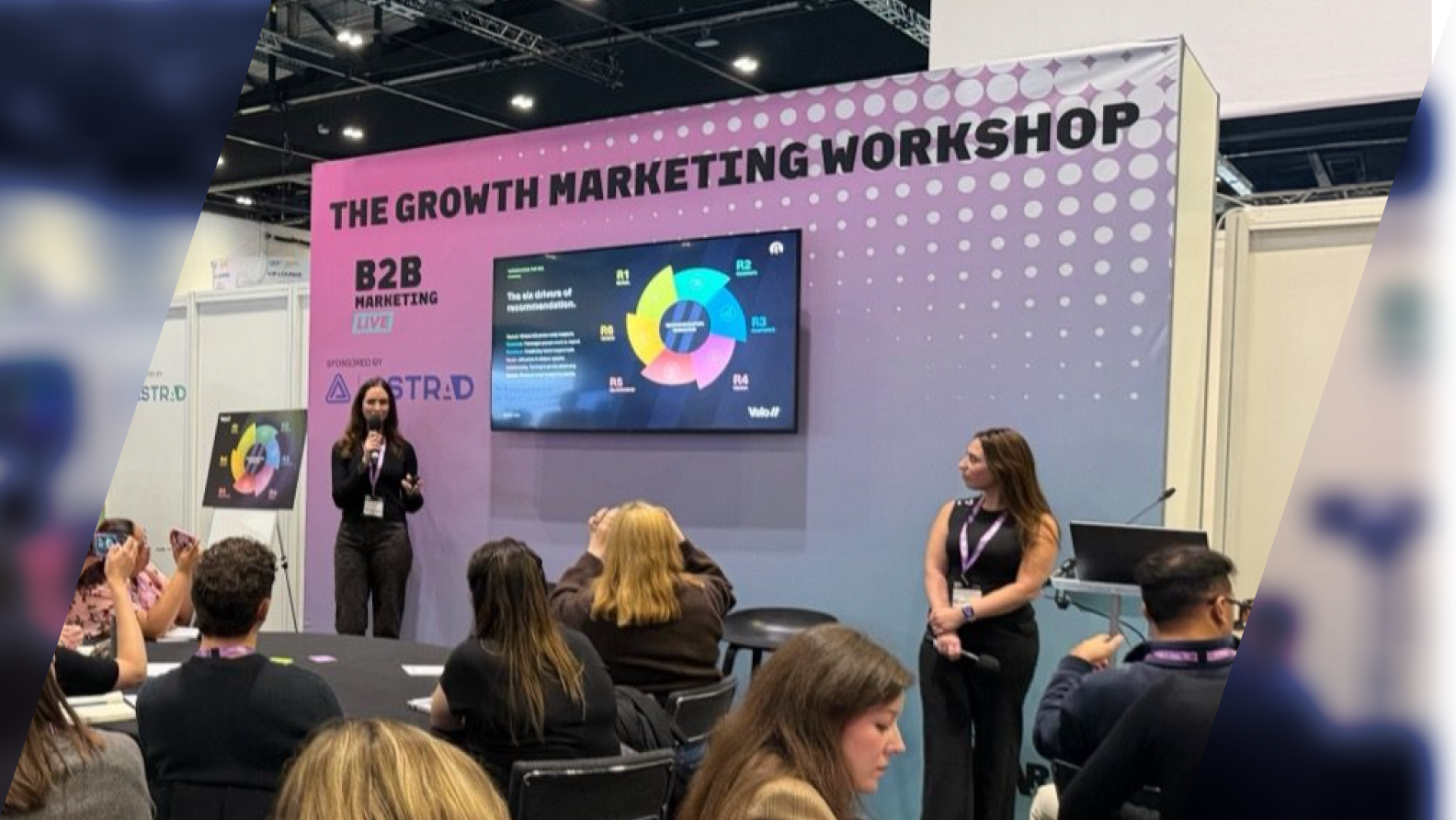
That’s the challenge we explored with around 70 B2B marketers as Lottie, Helena and Paul hosted The pipeline you never knew you missed, an interactive workshop introducing our 6Rs of recommendation marketing.
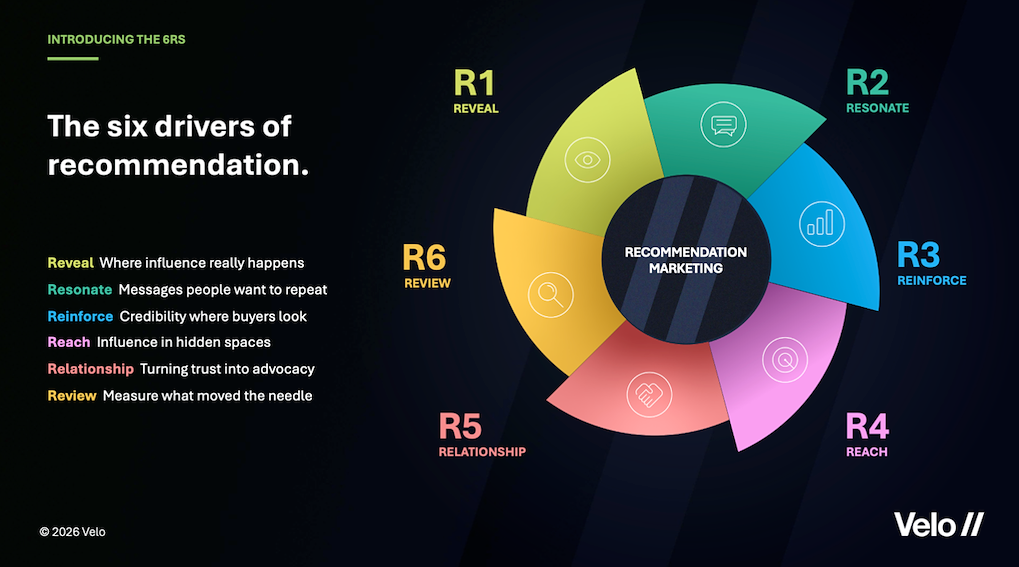
Recommendation marketing is about influencing the people and tools that influence buying decisions. Our 6Rs framework helps businesses understand where that influence happens, how to strengthen it and how to turn it into measurable growth.
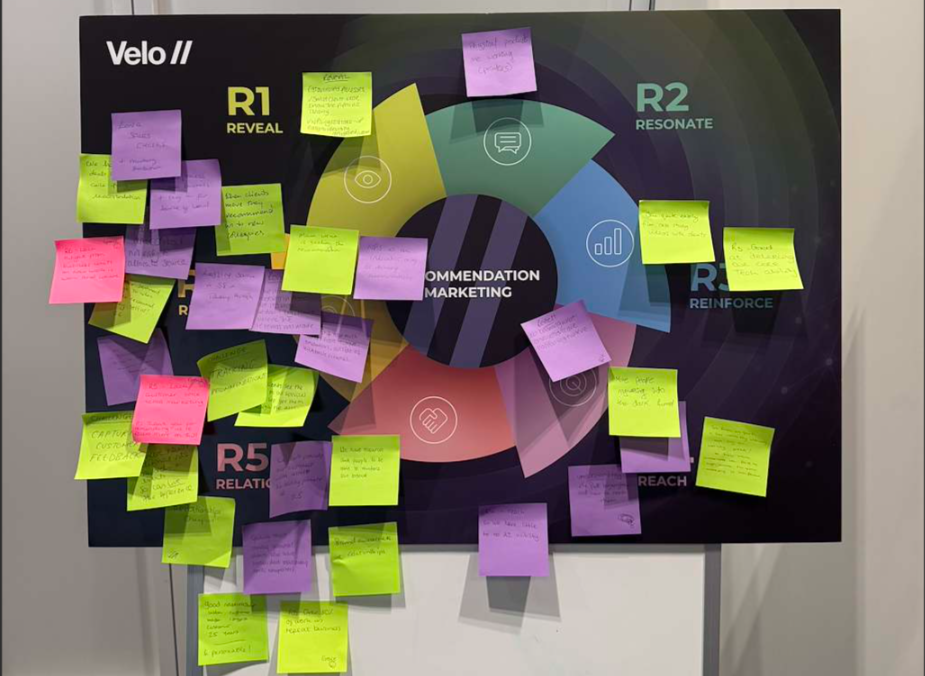
We asked attendees to score their organisations against each R, before sharing what was working well and where they faced challenges.
The result? A revealing snapshot of the gap between building trust and turning it into measurable, recommendation-driven growth.
Here are three lessons that stood out from the completed scorecards and wider group discussions.
1. Strong relationships don’t automatically create advocates
Relationship was the strongest-performing area in our completed scorecards with no red ratings recorded, suggesting marketers feel confident they’re delivering on the promises they make to customers.
Attendees shared examples of impressive customer loyalty, including one business with a 25-year customer relationship and another generating over 80% of its work from repeat customers.
But alongside those successes came a revealing challenge: “We don’t provide our customers with assets to easily promote us.”
It’s a reminder that happy customers and active advocates aren’t necessarily the same thing. Businesses can invest years in building brilliant relationships without creating opportunities for those customers to recommend them to others.
The opportunity: Make advocacy easier. Equip customers with stories, content and opportunities to share their experiences.
2. We’re missing the conversations that shape buying decisions
Reach was one of the weakest-performing areas in our scorecard exercise, with very few respondents confident they were reaching the conversations that matter. The challenges raised by attendees included:
“Not knowing what conversations are happening + where.”
“Understanding the full buyer group and how to reach them.”
And, increasingly relevant:
“We have little to no AI visibility.”
While marketers can track their owned channels and campaigns, the conversations shaping buyer shortlists often happen elsewhere – in private communities, peer networks, internal meetings and AI-assisted research.
The opportunity: Look beyond your immediate prospects. Understand who influences the wider buying group, where they seek advice and which sources they trust. Your brand needs to be present, credible and recommendable in the places that influence decisions.
3. Recommendation is happening. But can we prove its impact?
Review received more red ratings than any other R, making measurement the clearest challenge emerging from our scorecards.
Attendees described recommendations as feeling “anecdotal” and difficult to attribute, particularly across long sales cycles. Others acknowledged having basic referral tracking in place without capturing how or where recommendations actually happened.
It’s an important disconnect. Businesses may already be benefiting from recommendations without understanding their contribution to growth.
Traditional attribution tells us which channels generated measurable interactions, but it doesn’t always capture the conversations that put a supplier on a shortlist in the first place.
The opportunity: Start asking better questions. Who influenced the decision? How did the buyer first hear about you? What prompted them to include you on their shortlist? Incorporating these questions into sales conversations and CRM processes can help make recommendation’s influence more visible.
Closing the recommendation gap
Our workshop highlighted a clear contrast: marketers were more confident in building relationships than in activating and measuring their influence. And that raises an important question:
What if one of your biggest growth opportunities isn’t another campaign, channel or lead-gen tactic, but making better use of the trust you’ve already built?
Recommendation marketing doesn’t replace traditional demand gen. It helps ensure your brand is part of the conversations that shape demand in the first place.
Want to understand how recommendable your business really is?
Explore our Recommendation Marketing Playbook for the full research and practical framework. Or, if you’d like to understand where your own recommendation gaps might be, talk to Velo about a 6Rs assessment.
Because the pipeline you never knew you missed could be closer than you think.